
How Can Careful Material Assessment Keep Useful Building Resources Out of the Waste Stream?
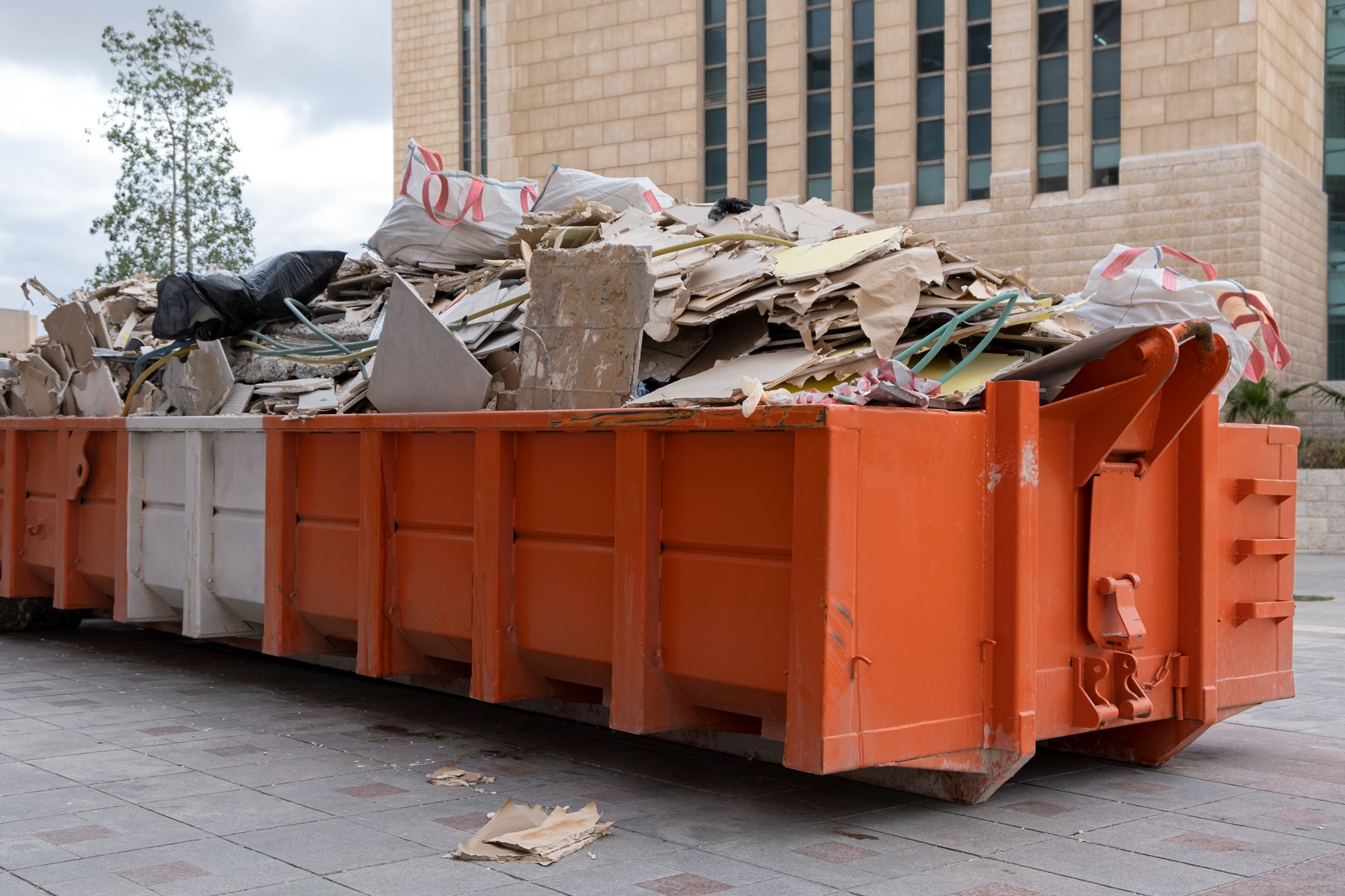
Construction and renovation projects generate more than broken drywall and discarded lumber. They can also leave behind reusable fixtures, recyclable metals, masonry, and other materials that still have value. Construction debris removal in Vancouver WA involves clearing unwanted building materials, but material recovery assessment adds another consideration.
A material recovery assessment evaluates construction debris based on its composition, condition, contamination, and available recovery options. A damaged building component is not automatically worthless, just as an intact component is not automatically safe or suitable for reuse. Effective assessment considers the material’s actual condition and whether a practical, compliant recovery route exists.
The process also connects to broader responsibilities surrounding construction, environmental compliance, and project planning. Although most building debris decisions concern physical materials, contractors may also need to manage labor costs, business administration, and applicable state requirements.
What Does a Material Recovery Assessment Examine?
A material recovery assessment begins by identifying the materials produced during renovation, construction, or demolition. A single project might generate clean lumber, copper wiring, steel framing, broken concrete, cardboard packaging, damaged cabinets, and mixed rubbish. Each category requires a different decision because reuse, recycling, and disposal depend on factors beyond the material’s original purpose.
The assessment generally examines four considerations: material identity, physical condition, contamination, and practical recoverability. Clean lumber may be suitable for reuse or wood recycling, while water-damaged boards may have limited value. Metal framing can retain recycling potential despite cosmetic damage, but materials mixed with incompatible substances may require additional sorting or may not meet a facility’s acceptance requirements.
The final consideration is whether a suitable recovery destination exists. A component might be technically reusable but impractical to salvage because removal would damage it, transportation would be difficult, or no appropriate recipient is available. Recovery decisions therefore balance the condition of the material with handling requirements, transportation, processing costs, and local facility rules.
Which Building Materials Can Be Reused, Recycled, or Disposed of?
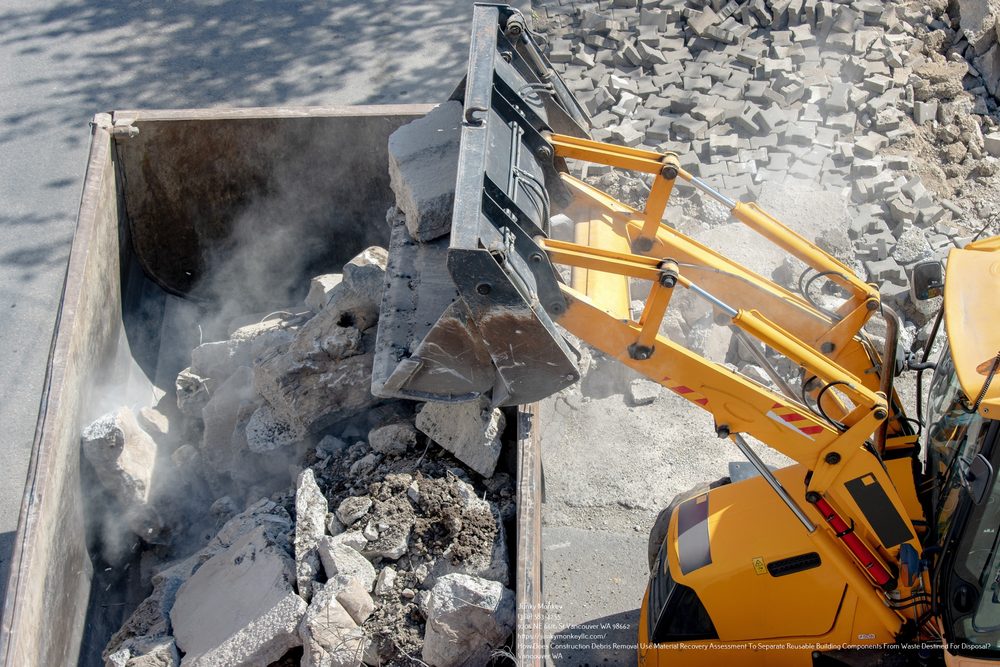
The recovery route depends on the material’s condition and the requirements of the facility receiving it. Reuse means putting a component back into service with limited modification, while recycling involves processing material into a form that can be used again. Disposal is appropriate when no suitable recovery option exists or when contamination and safety concerns prevent reuse.
- Clean, untreated lumber: Clean lumber may be reused or sent for wood recycling, depending on its condition. The assessment considers rot, splitting, attached fasteners, coatings, and the receiving facility’s acceptance requirements.
- Steel and copper: Steel and copper may be reused or sent for metal recycling. Their recovery potential depends on accurate material identification, corrosion, contamination, and the availability of suitable recycling facilities.
- Bricks and masonry: Bricks and masonry may be salvaged for reuse or sent to an approved recycling facility. The assessment examines cracks, attached mortar, breakage, and any processing requirements that could affect recovery.
- Doors, cabinets, and fixtures: Doors, cabinets, and fixtures in good condition may be suitable for direct reuse or salvage. Their suitability depends on structural condition, completeness, and whether they can be removed safely without causing additional damage.
- Concrete and asphalt: Concrete and asphalt may be processed for aggregate recycling where suitable facilities are available. Their recovery depends on contamination, material size, and the receiving facility’s requirements.
- Drywall and insulation: Drywall and insulation may qualify for specialized recovery where accepted, while unsuitable materials may require disposal. The assessment considers moisture, composition, contamination, and local restrictions.
- Mixed construction waste: Mixed construction waste may require additional sorting before recyclable materials can be recovered, while the remaining waste may need disposal. The decision depends on whether the materials can be separated efficiently and whether suitable recovery options are available.
These categories are general guidelines rather than guarantees. For instance, an intact cabinet might be suitable for another property, but water damage can make it unsuitable for reuse. Concrete may be accepted by a recycling facility when clean and properly prepared, whereas concrete mixed with unsuitable waste may require additional processing or a different destination.
Local rules also influence the final decision. Clark County’s construction and demolition debris guidance provides relevant information on local waste management considerations. Contractors should verify current facility requirements before transporting materials, especially when a load contains mixed debris or potentially restricted substances.
Need Reliable Construction Debris Removal Services?
Contact Junky Monkey today for a free estimate and hassle-free cleanup.
How Does Sorting Separate Reusable Components from Waste?
Sorting works best when it begins before materials become mixed together. A pile containing clean timber, broken drywall, metal offcuts, and general rubbish requires more effort to separate than materials collected in distinct categories during removal. Depending on the project, the assessment can include identifying materials before dismantling, separating them during removal, inspecting their condition, and assigning suitable destinations.
The first step is identification. Workers determine what a material is, where it came from, and whether its history raises concerns. Older building products, painted surfaces, adhesives, and insulation may require closer examination because some can contain hazardous substances. Visual inspection cannot reliably identify all hazardous materials, so suspected asbestos-containing products or other hazardous materials should be evaluated by qualified professionals before any disturbance.
The next step is assessing whether the material can retain its intended function. A door with an intact frame, undamaged cabinets, or straight lengths of suitable lumber may be salvageable. Damaged components may still have recycling value, but only if an appropriate facility accepts them. A material should not be classified as reusable simply because it looks intact.
Finally, each category is directed toward a practical destination. Reusable items may be retained for the project or sent to an appropriate salvage outlet. Recyclable materials go to facilities equipped to process them, while residual waste follows an authorized disposal route. This approach can reduce avoidable waste, although actual recovery depends on the project’s materials, the available infrastructure, and the applicable requirements.
Why Should Recovery Planning Begin Before Demolition?
A component’s recovery potential can disappear during removal. A reusable door can be smashed, cabinets can be crushed, and clean lumber can become contaminated with wet plaster or general rubbish. Planning allows project teams to identify salvageable items, arrange separate collection areas, and determine which materials need special handling.
Deconstruction is one option when preserving building components is a priority. Instead of immediately breaking a structure apart, workers systematically dismantle selected areas to recover doors, fixtures, cabinets, lumber, or other materials. Conventional demolition may still be more appropriate when structural conditions, safety, time, or cost make extensive salvage impractical.
A recovery plan should also consider whether salvaged items have a realistic destination. Storing large quantities of unwanted materials can create handling problems if no suitable recipient or recycling facility is available. Project teams should consider removal costs, transportation, storage, and the condition of recovered items before committing to extensive salvage work.
Washington state building and environmental requirements can affect construction and demolition projects, but not all projects follow the same rules. Property owners should check applicable building codes, local waste requirements, and hazardous-material procedures before work begins. This helps ensure that recovery decisions align with the project’s actual obligations rather than assumptions about statewide requirements.
Which Washington State Requirements Should Businesses Consider?
Construction debris recovery and business compliance are related through project management, but they involve different responsibilities. A contractor operating a new business in Washington may need to understand registration, recordkeeping, tax reporting, employment requirements, and waste-handling obligations. Those administrative matters do not determine whether a piece of lumber, concrete, or metal can be recovered, but they can affect how the business organizes and documents its operations.
Washington’s minimum wage rules and overtime requirements are examples of employment obligations that should be reviewed separately from material recovery. Employers should consult current state guidance to understand which workers qualify as overtime-exempt workers, how salary thresholds apply, and whether the current overtime-exempt salary schedule affects their workforce. Relevant dollar figures can change, so businesses should verify the applicable amounts rather than rely on outdated information. These employment rules should never be used as criteria for deciding whether construction debris is reusable or recyclable.
Businesses that need clarification on these separate obligations may find state agency resources, an online webinar, or an in-person workshop useful when those educational options are available. The appropriate resource depends on the question being addressed, whether it concerns employment, taxation, forest practices, or construction waste. Keeping each subject within its proper regulatory context prevents unrelated requirements from complicating material recovery decisions.
How Can Property Owners Prepare for Construction Debris Removal?
Property owners and contractors can improve the recovery process by identifying the debris before collection and communicating the expected material mix. Details about the volume, type, condition, and accessibility of the materials help establish appropriate removal arrangements. Early planning also reduces the risk of damaging salvageable components or combining materials that require separate handling.
For projects involving several material types, separate collection areas can make sorting easier. Clean wood, metal, masonry, and general debris should be kept apart where practical, with suspected hazardous materials handled through the appropriate professional process. Before transporting recyclable materials, project teams should confirm that the intended facility accepts them in their current condition.
A documented material management plan can be useful for larger projects. It may record the estimated quantities of materials removed, their destinations, and the amounts reused, recycled, or disposed of. Such records help project managers evaluate waste diversion and demonstrate compliance where documentation is required. Smaller renovations may need a simpler approach, depending on the project scope and applicable rules.
For customers planning construction debris removal in Vancouver WA, Junky Monkey offers construction debris removal to help clear unwanted materials from renovation and construction sites. The company provides free estimates and transparent, volume-based pricing, with labor and eligible disposal included. Sharing details about the debris before scheduling helps establish the scope of the cleanup and identify any materials that may require separate arrangements.
Make Construction Cleanup More Resourceful With Junky Monkey
Material recovery assessment helps distinguish reusable building components from recyclable materials and waste that requires disposal. By considering material condition, contamination, safety, and available recovery options, property owners can make more informed decisions before debris leaves the site. Effective planning also helps prevent recoverable items from being damaged or unnecessarily mixed with general waste.
Junky Monkey provides construction debris removal in Vancouver WA, helping property owners and contractors clear unwanted materials and reclaim usable space. Customers can request a free estimate and discuss the type and volume of debris involved. With appropriate sorting and a clear recovery plan, construction cleanup can become more organized, efficient, and responsible.
Need Reliable Construction Debris Removal Services?
Contact Junky Monkey today for a free estimate and hassle-free cleanup.