
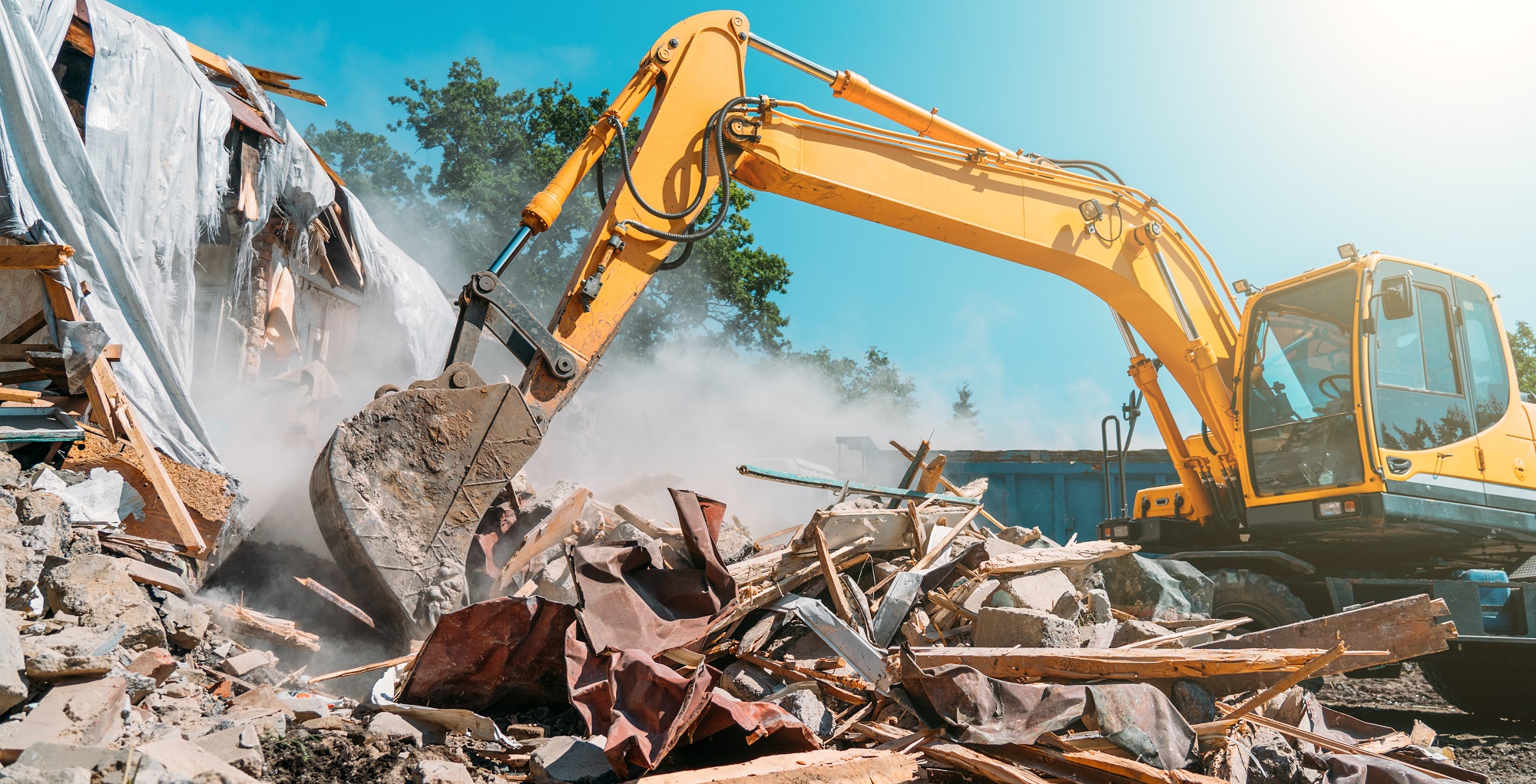
Why a Building Assessment Should Happen Before the First Wall Comes Down
A demolition project can look straightforward from the outside, but the structure may conceal electrical wiring, plumbing, gas lines, asbestos-containing materials, lead-based coatings, unstable components, and other hazards. For demolition in Vancouver WA, a pre-demolition structural assessment helps identify these conditions before equipment or workers begin disturbing the building. Junky Monkey provides demolition services and can help property owners understand the scope of a cleanup, while its demolition service information provides a starting point for discussing project needs.
A proper assessment is not simply a visual walk-through. It can involve reviewing the building’s history, identifying utilities and structural systems, checking for hazardous materials, determining whether selective demolition or full demolition is appropriate, and confirming applicable permits and notifications. In Vancouver, WA, these steps can be especially important because demolition requirements may involve Clark County, the Southwest Clean Air Agency, and Washington state agencies depending on the property and project.
What Can a Pre-Demolition Assessment Reveal?
A structural assessment establishes what is actually inside and around a building before demolition begins. The process may identify load-bearing walls, foundations, roof systems, utility connections, previous alterations, damaged structural elements, and areas where the building may be unstable. It can also reveal whether certain portions should be removed carefully rather than demolished all at once.
Utilities deserve particular attention. Water, sewer, electrical, gas, and other service connections may run through walls, floors, ceilings, or underground areas. Clark County’s demolition application specifically calls for identifying sewer and water connections, while the county’s current permitting information lists demolition permits among its building permit types.
A site assessment can also establish how equipment, workers, vehicles, and debris will move through the property. For commercial buildings, industrial facilities, and larger sites, this planning can become considerably more involved because demolition may occur around active roads, neighboring structures, remaining utilities, or occupied areas.
Why Are Hazardous Materials a Separate Assessment Concern?
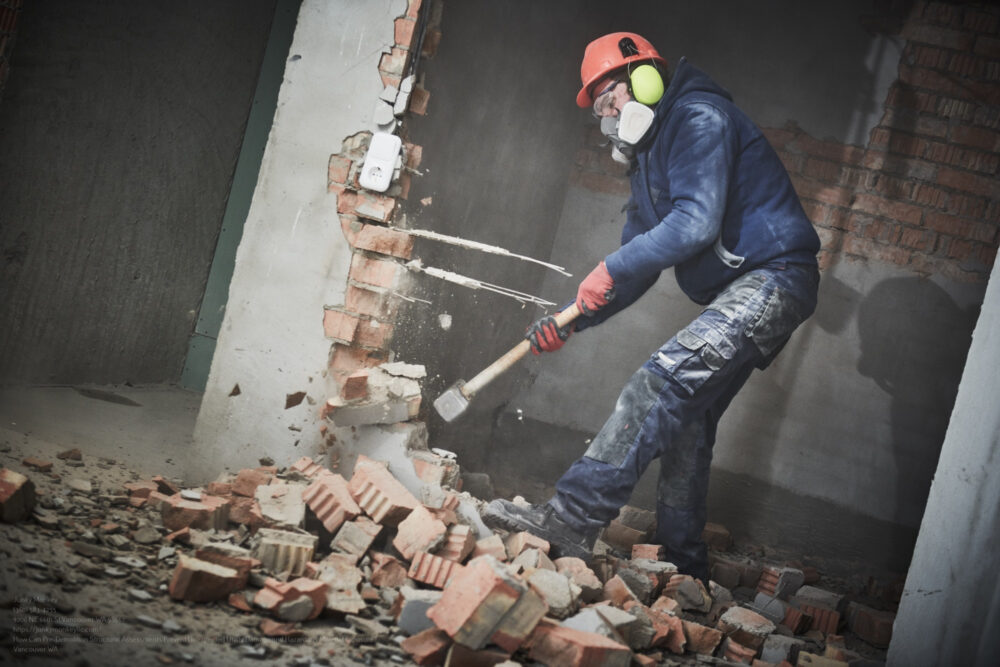
Structural stability is only part of the pre-demolition picture. Building materials can contain substances that become hazardous when disturbed. Washington’s Department of Ecology explains that demolition may expose workers and surrounding communities to materials such as asbestos, lead, mercury-containing fluorescent lights, PCBs, and other dangerous waste. The agency recommends assessing buildings before demolition and determining how identified waste must be managed.
Asbestos deserves particular attention because demolition can release fibers from seemingly ordinary materials. The Southwest Clean Air Agency requires an asbestos inspection before demolition or renovation within its jurisdiction, and its guidance outlines requirements for certified inspectors, asbestos abatement, and demolition notification.
That means laboratory testing may be appropriate when the composition of a material cannot be reliably determined through visual inspection. Suspected hazardous materials should not simply be placed into a demolition debris pile. Depending on the substance and circumstances, the project may require Asbestos Abatement and Remediation or Biohazard Abatement and Remediation performed by appropriately qualified specialists.
Do You Want Professional Demolition Services?
Contact Junky Monkey for dependable demolition services.
How Can Utility Mapping Prevent Damage During Demolition?
Unexpected utility damage can create serious project complications. A contractor may know that a building has electrical and plumbing systems, but knowing their general location is different from knowing precisely where lines run. Older buildings can also contain modifications that are not reflected in original plans.
Before work begins, the assessment should document known utility connections and identify areas requiring additional verification. Utility disconnection should be coordinated with the appropriate providers before demolition begins. Underground utilities may require additional locating procedures, especially when demolition includes excavation services, foundation removal, or site demolition.
The same principle applies to concrete cutting and core drilling. Cutting into slabs, walls, or foundations without understanding what lies inside can damage embedded utilities or create avoidable safety problems. A project involving Concrete Finishing, slab modification, or structural removal should account for embedded systems before cutting begins.
A pre-demolition plan can also establish safety planning, traffic management, and containment zones. Traffic management becomes particularly relevant on commercial or industrial properties where trucks, equipment, pedestrians, and neighboring operations may share limited access routes. Containment zones can help separate active demolition areas from people and property that need protection.
When Does a Demolition Permit Become Necessary?
Permit requirements depend on the structure, jurisdiction, and project scope. In Clark County, a demolition permit applies to structures that were previously permitted or would have required a permit, including residences, commercial structures, garages, shops, pools, decks, and patio covers.
A demolition permit is only one part of the compliance picture. A project may also require air-quality notifications, utility coordination, environmental documentation, or other approvals. The Southwest Clean Air Agency states that demolition notification requirements may apply even when a Clark County demolition permit is not required.
The term “special waste permit” can also apply when materials fall into regulated waste categories requiring specialized handling. The exact requirements depend on the material and destination, so project owners should verify current requirements rather than assuming ordinary construction debris rules apply to every load.
The Department of Ecology provides construction and demolition guidance for businesses handling hazardous waste, while local agencies handle other aspects of the permitting and air quality processes. This makes early assessment more useful than waiting until demolition is underway to discover that a particular material requires additional documentation.
How Does the Assessment Affect Different Types of Demolition?
Not every project requires the same demolition method. Selective demolition may be appropriate when only certain walls, fixtures, interior elements, or building components need to be removed, while the remainder of the structure remains intact. Selective demolition of building interiors can require careful planning because utilities and structural elements may remain active in the area being removed.
Full demolition, by contrast, involves removing the entire structure or a substantially larger portion of it. The assessment must consider how the structure will come down, where debris will accumulate, how equipment will access the site, and how neighboring property will be protected.
Site demolition may extend beyond the building itself. Foundations, slabs, detached structures, and other site elements can require different approaches. Pool removal & demolition is one example where the assessment must consider the pool structure, surrounding concrete, underground plumbing, access, and the intended condition of the property afterward. Pool demolition and pool decommissioning should therefore be planned according to the specific structure and local requirements rather than treated as ordinary debris removal.
For larger projects, deconstruction activities may also be considered when certain materials can be removed without unnecessarily destroying them. Deconstruction professionals can evaluate whether selected components are suitable for careful removal, although salvage decisions should never override structural or hazardous-material safety.
What Should Property Owners Ask Before Hiring a Demolition Contractor?
A property owner should look beyond the basic question of whether a company can remove a structure. The contractor’s planned assessment process, understanding of local requirements, handling of hazardous materials, and approach to utility protection all deserve attention.
Questions can include:
- Has the structure been assessed for hazardous materials before demolition?
- Have water, sewer, electrical, gas, and other utilities been identified and addressed?
- Which type of demolition is appropriate: selective, interior, or full?
- What permits and agency notifications apply to the project?
- How will debris be separated, loaded, transported, and disposed of?
- Does the contractor hold the required certification or license, or work with properly qualified specialists when the project requires them?
- How will traffic management, containment zones, and site safety be handled?
For transportation and hauling questions, businesses may also need to understand applicable requirements involving the Washington Utilities and Transportation Commission. The exact licensing and regulatory obligations depend on the type of transportation activity, so they should be verified for the specific project rather than assumed.
Disposal planning also deserves attention. Construction debris may be directed to appropriate recycling facilities, disposal facilities, or transfer stations depending on its composition. Facilities operated by companies such as Waste Connections may have specific acceptance rules, so the receiving location should be confirmed before materials are transported.
How Can Junky Monkey Support a Better Demolition Cleanup?
The assessment happens before the physical removal, but cleanup planning remains an important part of the project. Demolition can produce substantial quantities of concrete, wood, metal, fixtures, and other debris, and the property owner needs a practical plan for handling the remaining materials.
Junky Monkey offers demolition and related debris removal services for eligible projects. Its owner-operated approach, free estimates, volume-based pricing, and direct communication can help property owners understand the expected scope of work before scheduling. The company can also handle loading, hauling, and eligible disposal as part of its broader cleanup services.
The appropriate scope depends on the property. A small structure may require a relatively straightforward removal, while commercial demolition involving commercial buildings or industrial facilities may require substantially more planning and coordination. The company should be provided with accurate information on the structure, accessibility, debris volume, and any known restrictions before an estimate is prepared.
Contact Junky Monkey for Demolition Services
A pre-demolition assessment can prevent avoidable surprises by identifying structural conditions, utility connections, hazardous materials, permit requirements, and disposal considerations before work begins. For property owners in Vancouver, WA, careful planning also provides a clearer path from demolition in Vancouver WA through debris removal and final site cleanup.
Junky Monkey can discuss the project’s scope and provide a free estimate based on the material and work involved. Property owners should disclose known hazardous materials, difficult access conditions, utility concerns, and other project details before scheduling so the appropriate approach can be considered.
Do You Want Professional Demolition Services?
Contact Junky Monkey for dependable demolition services.